
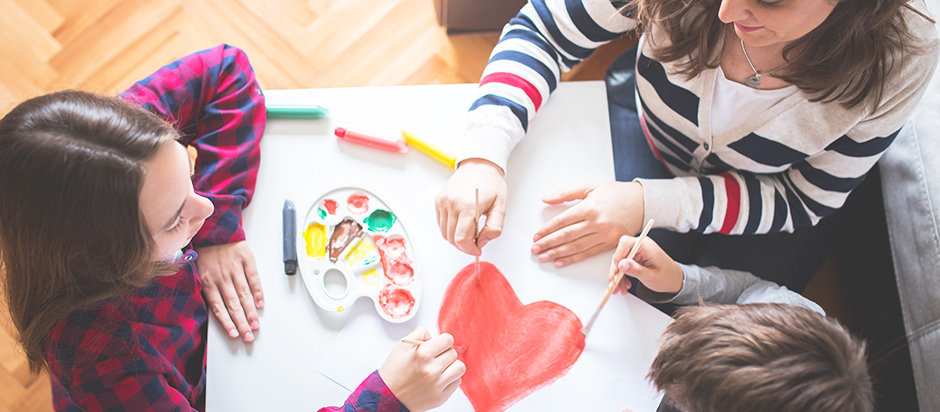
As parents, we all want our children to be happy, kind, and emotionally resilient. But building those qualities is a process—not a given. That’s where social emotional learning (SEL) comes in.
What Is Social Emotional Learning (SEL)?
“Social emotional learning” (or SEL) is a lifelong process that equips children with the inner tools they need to navigate the world. SEL skills include:
- Developing a healthy identity and sense of self-worth
- Managing emotions—both positive and difficult ones
- Feeling and showing empathy for others
- Establishing and maintaining supportive relationships
- Making responsible decisions
Research consistently shows that children with strong SEL skills perform better academically, have healthier friendships, and are better equipped to handle stress and adversity throughout their lives. Social emotional learning for kids is not a “nice to have”—it’s foundational to healthy development.
How SEL Skills Develop at Different Ages
SEL doesn’t look the same at every age. Here’s a general overview of how these skills develop:
Early Childhood (Ages 2–5)
Young children are just beginning to identify and name their emotions. They’re learning that other people have feelings too, and they’re starting to practice taking turns, sharing, and following simple rules. Tantrums are normal at this stage—they’re often a sign that a child is experiencing big emotions they don’t yet have words for.
Elementary School Age (Ages 6–12)
Children this age are developing more sophisticated empathy and are increasingly aware of social dynamics. Friendships become central. They’re learning how to manage conflict, handle disappointment, and cooperate toward shared goals. This is also when children begin to develop a more stable sense of who they are.
Adolescence (Ages 13–18)
Teens are deepening their sense of identity and values, navigating peer pressure, and developing more complex relationships. Emotional regulation—the ability to manage intense emotions without acting out—becomes increasingly important. Teens who have strong SEL foundations are more likely to seek help when they need it and to make thoughtful decisions under pressure.
How Parents Can Support Social Emotional Learning at Home
The good news is that you’re already doing a lot of this—often without realizing it. Every time you name an emotion, validate your child’s feelings, or model how to work through a disagreement, you’re building their SEL skills. Here are some intentional strategies to try:
- Name emotions out loud. “You seem really disappointed that practice was cancelled. That makes sense—you were looking forward to it.” This builds emotional vocabulary and helps children learn to identify what they’re feeling.
- Model what you want to see. Children learn how to handle frustration, conflict, and disappointment by watching you. When you make a mistake and apologize, you’re teaching accountability. When you take a breath before responding, you’re modeling regulation.
- Create space for hard conversations. Regular check-ins—even brief ones—give children practice talking about their inner lives. Try “What was the best part of your day? What was the hardest?” at dinner or bedtime.
- Validate before problem-solving. When a child is upset, resist the urge to jump to solutions. Start with acknowledgment: “I can see you’re really upset. That sounds really hard.” This teaches them that feelings are safe to share.
- Read together. Books with emotionally complex characters help children practice perspective-taking and empathy. Ask questions: “How do you think she felt when that happened? What would you have done?”
When Children Struggle With SEL Skills
Some children need extra support developing these skills—and that’s completely normal. Children who struggle with anxiety, ADHD, sensory processing challenges, or who have experienced adversity may find emotional regulation and social connection especially difficult.
If your child is frequently overwhelmed by emotions, struggling to maintain friendships, or having difficulty at school because of behavioral or social challenges, professional support can make a meaningful difference. Our clinicians at the Center for Children and Youth specialize in helping children build the emotional and social tools they need to thrive.
You might also find these related articles helpful: how to manage aggression in children and supporting children through difficult times.
Connect With Our Team
Building social emotional skills takes time, consistency, and sometimes professional guidance. Whether you’re navigating a specific challenge or simply want to be more intentional about your child’s emotional development, our team is here to help.
Schedule a free consultation with the Center for Children and Youth to discuss your child’s specific needs.