
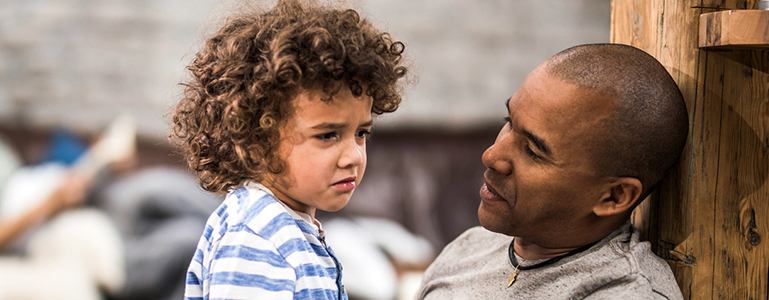
Children are remarkably perceptive. They pick up on tension in the home, absorb news and adult conversations, and feel the weight of uncertainty—even when we try to shield them from it. During difficult times of any kind, children are at heightened risk for anxiety. Knowing the signs and symptoms of childhood anxiety can help you respond early and effectively.
Signs and Symptoms of Childhood Anxiety to Watch For
Anxiety in children doesn’t always look like what we expect. Rather than worrying out loud, many children express anxiety through physical symptoms or behavioral changes. Here are the most common signs:
Physical Symptoms
- Stomachaches or headaches with no medical explanation
- Sleep disturbances—trouble falling asleep, nightmares, or waking during the night
- Fatigue or low energy
- Changes in appetite
Behavioral Signs
- Increased clinginess or separation anxiety
- Avoiding people, places, or situations they used to enjoy
- Increased irritability, tantrums, or emotional outbursts
- Regression to younger behaviors (bedwetting, baby talk, thumb-sucking)
- Difficulty concentrating or a drop in school performance
- Excessive “what if” questions or worry about unlikely events
Emotional Signs
- Persistent sadness or flat affect
- Expressing fear of something bad happening to themselves or someone they love
- Feeling helpless or hopeless
- Pulling away from friends or family
Not every child who experiences these symptoms has an anxiety disorder—context matters enormously. A child who is nervous before a big test or sad after a loss is responding normally. But when these patterns are persistent, intensifying, or interfering with daily life, it’s worth taking a closer look.
How to Support an Anxious Child
Children look to the adults in their lives to understand how to interpret and respond to the world around them. Here are some evidence-informed strategies for supporting a child who is struggling:
- Create a safe space for feelings. Let your child know that all emotions—including fear and sadness—are okay to have. Avoid dismissing or minimizing what they feel.
- Maintain routines. Predictability is deeply soothing for anxious children. Consistent mealtimes, bedtimes, and daily rhythms help children feel safe when things outside the home feel uncertain.
- Limit exposure to distressing content. Children, especially younger ones, can be overwhelmed by news or adult conversations about difficult world events. Be thoughtful about what they overhear or have access to.
- Answer questions honestly—at an age-appropriate level. Children often worry more when they sense adults are hiding things. Simple, calm, truthful answers are more reassuring than no answer at all.
- Prioritize sleep, movement, and connection. These are the foundations of emotional regulation. When children are rested, physically active, and feel close to the people they love, they are far more resilient.
- Model healthy coping. Acknowledge your own stress out loud—and then show them how you manage it. “I’m feeling worried about this too. I’m going to take a walk to clear my head.”
For more strategies on building resilience in your child, read our article on social emotional learning for kids, and explore peaceful parenting strategies that help create a calmer home environment.
When to Seek Professional Help
If your child’s anxiety has persisted for more than a few weeks, is getting worse rather than better, or is significantly affecting their ability to function at school, with friends, or at home—it may be time to consult a professional.
Early intervention for childhood anxiety is highly effective. Children who receive support early are much more likely to develop the coping tools they need to manage anxiety throughout their lives. There is no reason to wait and see if things get better on their own when help is available.
Our licensed clinicians at the Center for Children and Youth specialize in childhood anxiety and family support. We work with children and parents to understand what’s driving the anxiety and to build practical, lasting strategies for managing it.
Schedule a free consultation with our team — we’re here to help your child and your family find solid ground.