
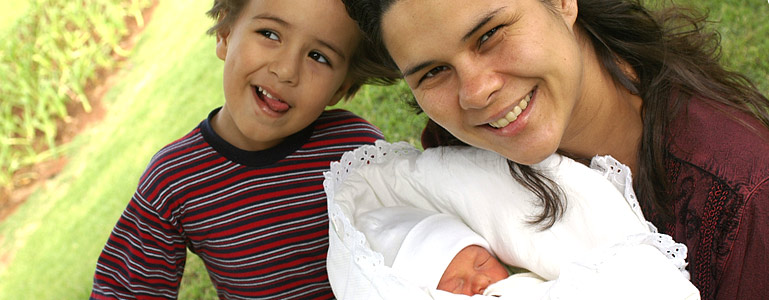
Once the excitement of pregnancy with your second baby wears off and reality sets in with the baby’s birth, you may find yourself understandably anxious to help your toddler adjust to their growing family.
It’s helpful to remember that no matter how “prepared” they are, toddlers can be expected to have some anxiety about the changing family dynamics. When a new sibling arrives home, some toddlers are excited; others ignore the new baby, mom, or dad; and some even appear oblivious.
Your toddler may also exhibit increased clinginess, crying, or “babyish” behavior as they navigate this big change. All of this is normal. The key is knowing how to prepare your toddler for a new baby—and how to support them once the baby arrives.
How to Prepare Your Toddler for a New Baby
Preparation can go a long way toward helping your toddler feel included rather than displaced. Here are six proven strategies from our family counselors:
1. Include Your Toddler in the Preparation
Let your toddler help pick out a special toy or blanket for the new baby. Give them a “big kid” job like helping set up the nursery. Feeling involved helps toddlers feel important and valued.
2. Talk About What’s Coming—In Age-Appropriate Terms
Use books, dolls, or simple conversations to explain that a new baby is coming. Keep explanations simple and honest. Read stories about new siblings together. Help them understand that babies need a lot of care, but that doesn’t mean they are loved any less.
3. Maintain Routines
Toddlers thrive on routine. As much as possible, keep mealtimes, naps, and bedtime consistent through the transition. Predictability helps toddlers feel safe when so much else is changing.
4. Make One-on-One Time a Priority
Even 15–20 minutes of dedicated one-on-one time with your toddler each day can make a meaningful difference. Let them choose the activity. Your undivided attention sends a powerful message: You still matter most to me.
5. Name Their Feelings
When your toddler acts out or seems sad or clingy, help them put words to those feelings. “You seem frustrated that I’m feeding the baby right now. That’s okay. I’ll come snuggle with you in a few minutes.” Naming feelings builds emotional resiliency and teaches healthy self-expression.
6. Celebrate the “Big Sibling” Role
Make being an older sibling feel special. Let your toddler be the one to show Grandma the baby, or to help choose what the baby “should” wear. Pride in a new role can be a powerful counterbalance to jealousy.
What to Expect in the First Weeks
Even with the best preparation, most toddlers go through a period of adjustment. You may see regression (like returning to diapers or wanting a bottle), increased tantrums, or heightened separation anxiety. These are normal responses to a big life change—not signs that something is wrong.
Be patient with your toddler and with yourself. The early weeks with a newborn are exhausting, and it’s okay if things feel messy for a while. Most toddlers settle into the new normal within a few months, especially when they feel consistently loved and seen.
If you’re noticing significant behavioral challenges or signs of anxiety that aren’t improving, it may be worth talking with a family counselor who can offer personalized guidance.
Talk to Our Family Experts
Every family is different, and there’s no one-size-fits-all approach to helping your toddler welcome a new sibling. Our licensed clinicians at the Center for Children and Youth specialize in family transitions and early childhood development. Whether you’re preparing for a new baby or navigating the adjustment after the birth, we’re here to help.
Schedule a free consultation with our team to talk through your family’s specific needs.